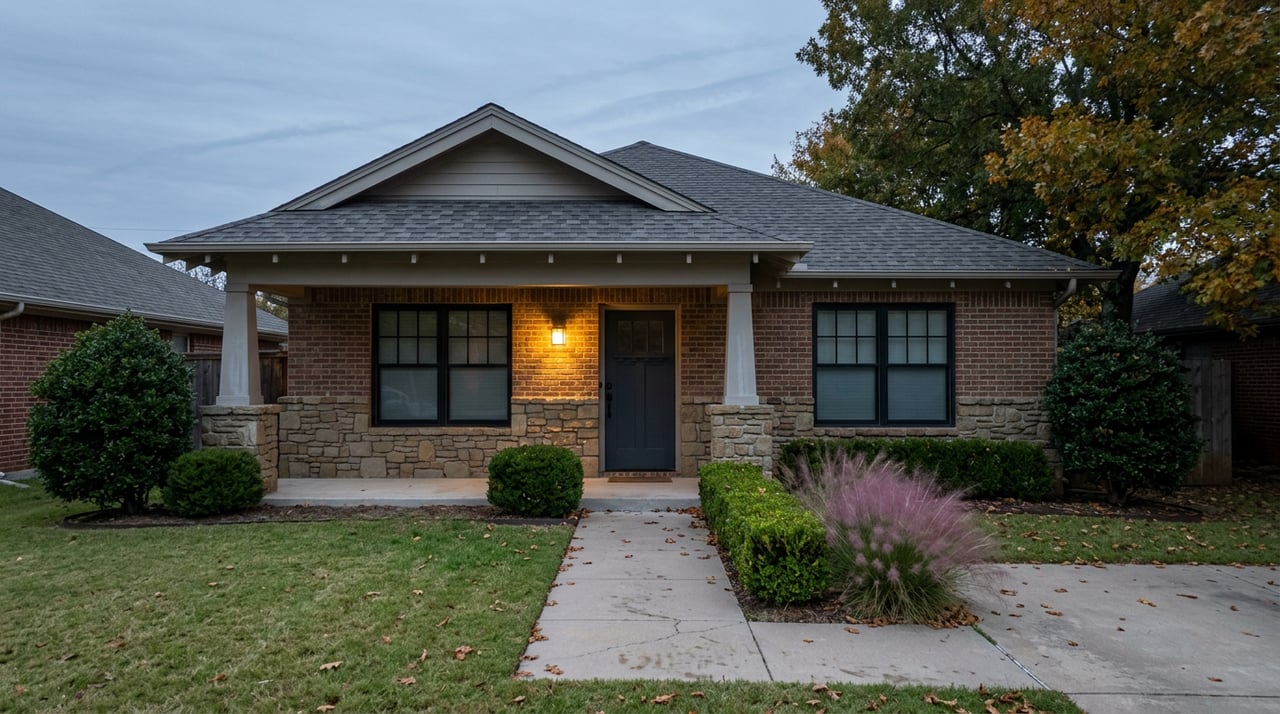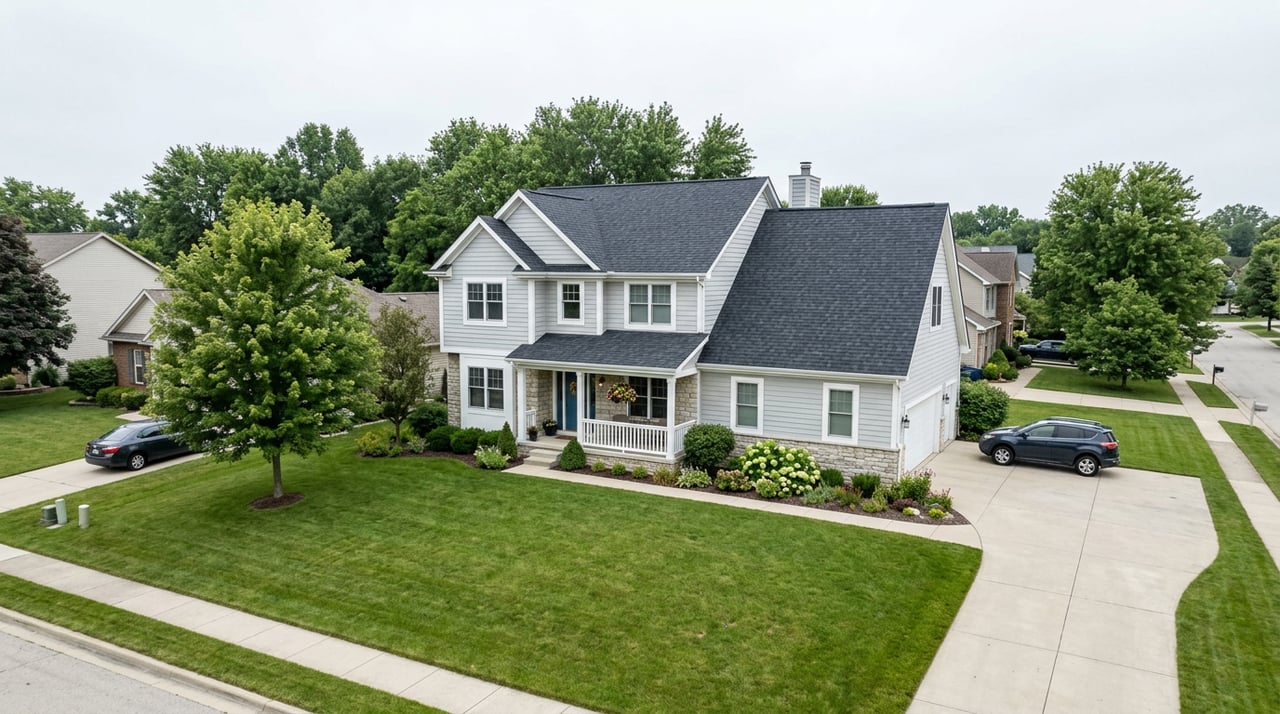
Real estate wholesaling in Oklahoma has changed, and investors operating in Oklahoma City, Edmond, Moore, Norman, Yukon, Mustang, Midwest City, Del City, and the surrounding OKC metro area need to understand the new rules before entering their next deal. As wholesaling continues to grow across Central Oklahoma, the state has implemented clearer enforcement around how wholesalers can legally operate. These new Oklahoma wholesaling laws are designed to protect homeowners while setting firm boundaries for real estate investors who are not licensed agents.
Wholesaling real estate has long been a popular investment strategy in Oklahoma City and surrounding areas due to strong rental demand, affordable housing prices, and a steady flow of distressed properties. However, many investors are unaware that improperly marketing a property or failing to disclose their role can now be considered unlicensed real estate activity under Oklahoma law. This has made it more important than ever for local investors to understand how to wholesale real estate in Oklahoma legally.
At the center of these changes is guidance and enforcement from the Oklahoma Real Estate Commission, which has clarified that individuals who do not hold a real estate license cannot market properties they do not own. This is especially relevant in the Oklahoma City real estate market, where wholesalers frequently advertise deals on social media, investor groups, and online marketplaces. Advertising a home for sale without ownership or licensure can now trigger penalties, even if the intent is simply to assign a contract.
Under the new Oklahoma wholesaling rules, investors are still allowed to wholesale properties through contract assignments, but the way those contracts are marketed matters. Wholesalers may market their contractual interest in a property, but not the property itself. In practical terms, this means an investor in Oklahoma City cannot advertise a specific house for sale unless they own it. Instead, they must clearly communicate that they are assigning a purchase agreement. This distinction has become one of the most important compliance factors for Oklahoma wholesalers.
Another major change affecting real estate wholesaling in Oklahoma City and nearby cities is the requirement for clear written disclosures. Wholesalers must now disclose that they are not the property owner, that they are selling or assigning a contract, and that they may receive compensation from the transaction. These disclosures are intended to eliminate confusion for homeowners, particularly in distressed sales situations common throughout the OKC metro area. Failure to provide proper disclosure can lead to fines, canceled contracts, or enforcement action.
Despite rumors, wholesaling real estate in Oklahoma is not illegal. Assignment contracts are still permitted, and many investors in Oklahoma City, Norman, and Edmond continue to wholesale successfully. However, investors must avoid language that suggests they are representing a buyer or seller, and they must not position themselves as a real estate agent unless properly licensed. Using outdated or improperly drafted wholesale contracts has become one of the biggest risks for local investors.
Because of these changes, many Oklahoma City investors are shifting toward double closings. A double closing allows the wholesaler to purchase the property before reselling it to the end buyer, which eliminates issues related to marketing a property they do not own. While double closings can involve higher transaction costs, they provide a safer legal structure for wholesalers operating throughout Central Oklahoma.
The penalties for violating Oklahoma wholesaling laws can be serious. Investors who engage in unlicensed real estate activity may face cease-and-desist orders, monetary fines, and potential civil liability. As enforcement increases, especially in high-activity markets like Oklahoma City and the surrounding suburbs, compliance is no longer optional for serious investors.
For those looking to wholesale real estate in Oklahoma City legally, success now depends on transparency, education, and proper documentation. Using compliant contracts, providing clear disclosures, marketing only contractual interests, and working with knowledgeable professionals can help investors continue building profitable businesses while staying within the law. The Oklahoma real estate market remains full of opportunity, but only for those willing to adapt to the new rules.
The new Oklahoma wholesaling laws do not signal the end of wholesaling in Oklahoma City. Instead, they mark a shift toward a more professional and transparent investment environment. Investors who take the time to understand these regulations will be positioned to thrive in Oklahoma City, the surrounding metro area, and across the state for years to come.