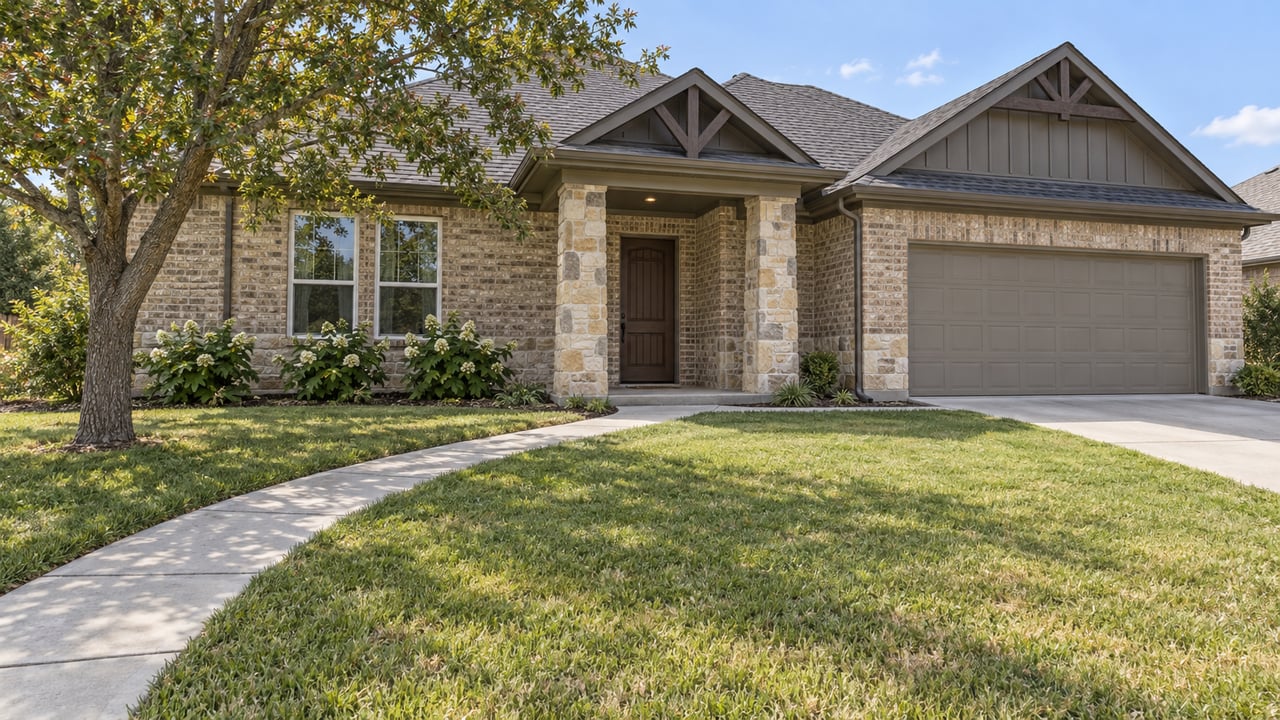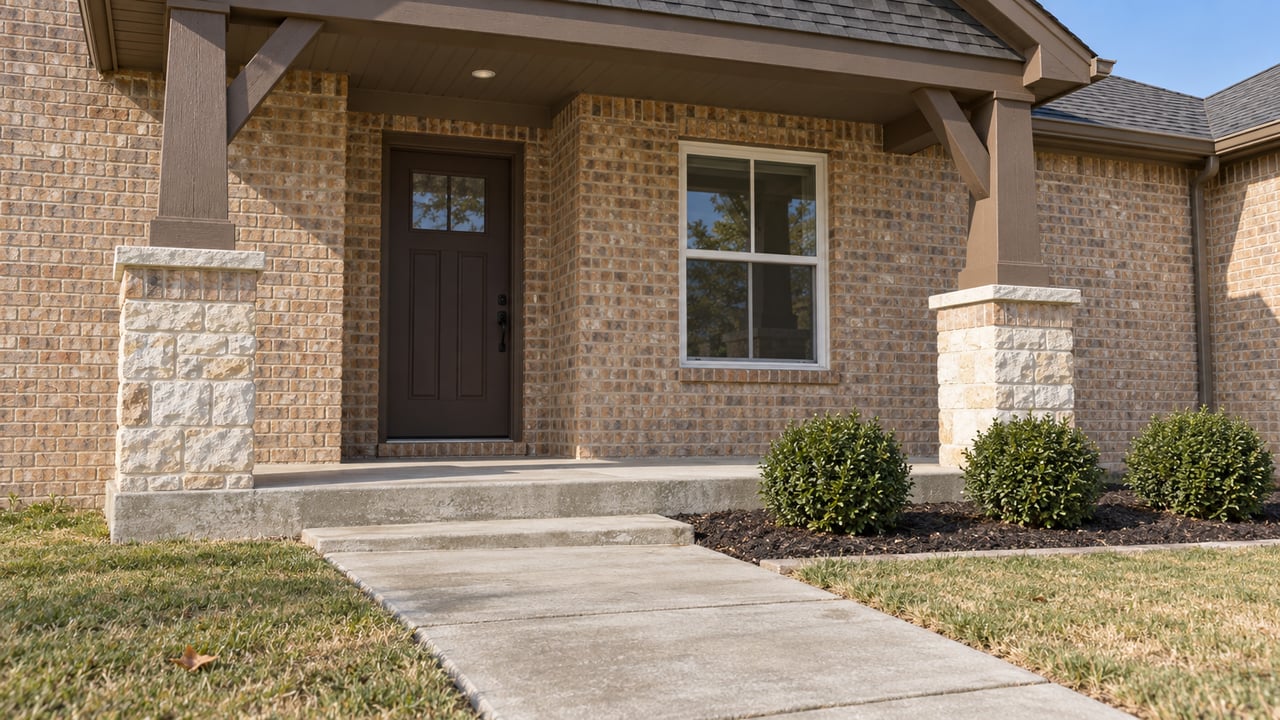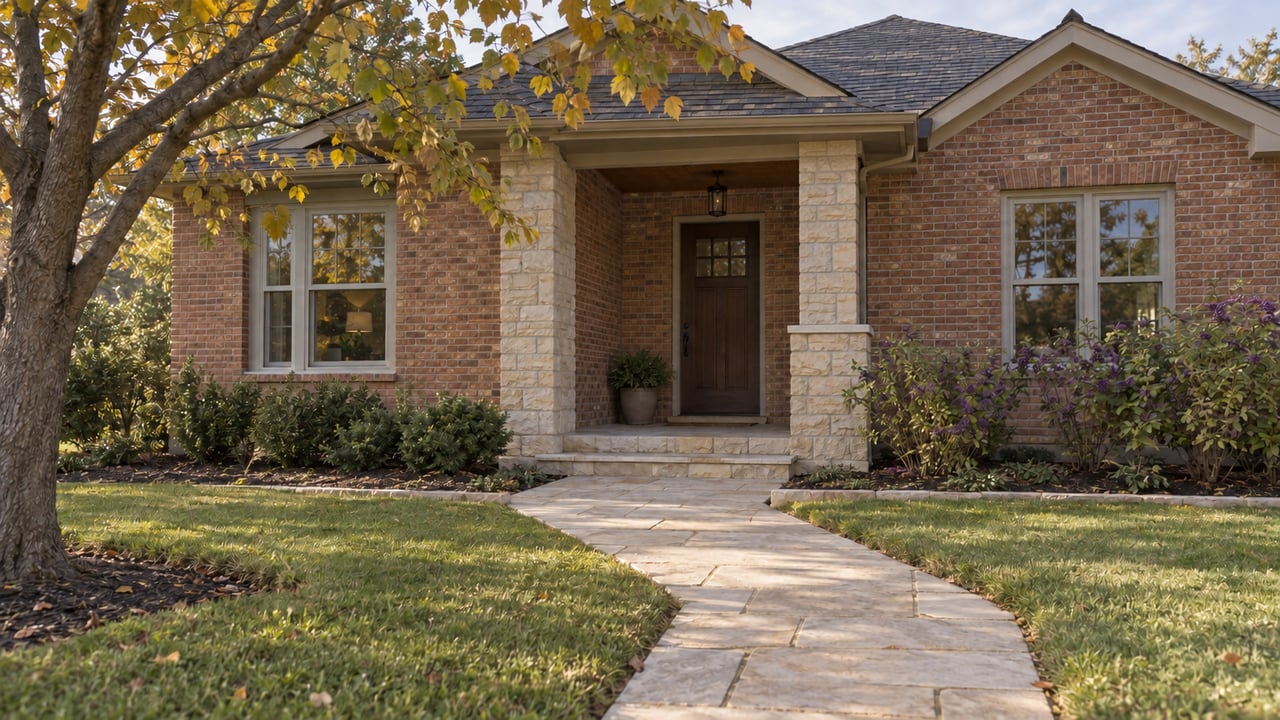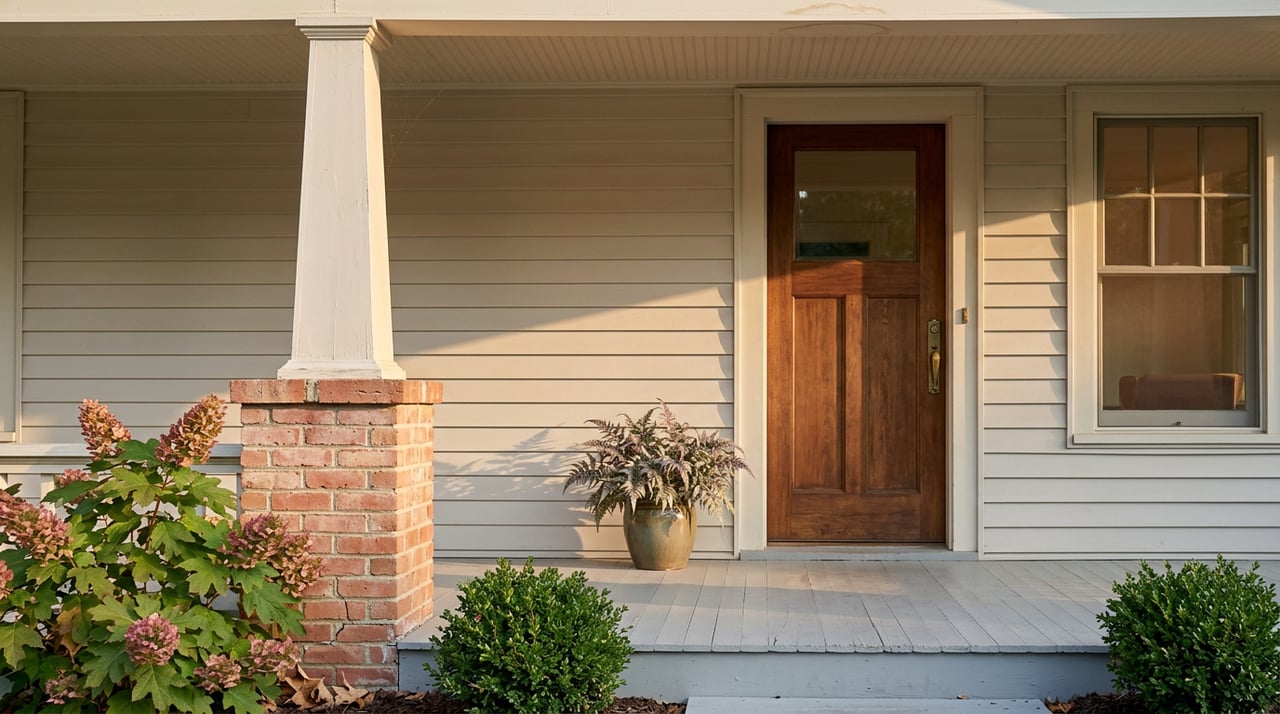
Picture the scenario. You've found the house: a 1920s bungalow in Mesta Park with a deep front porch and original sash windows, or a Foursquare in Heritage Hills with the kind of trim work builders don't do anymore. You already know there's a review process for exterior changes. You've braced for it. What almost nobody braces for is the part that has nothing to do with asking permission at all: a percentage rule buried in the city's design standards that can quietly turn a routine repair into a full-elevation project you never applied for.
That distinction matters more than the approval itself. Most buyers who choose a historic district already want the oversight. It's the reason the streetscape looks the way it does. What catches people off guard, sometimes years into ownership, is a threshold they crossed without realizing it.
The Approval Everyone Already Expects
Oklahoma City's Historic Preservation Standards and Guidelines require a Certificate of Appropriateness, or a staff-level Administrative Approval for smaller projects, before you touch most exterior features in a designated district. That covers windows, doors, garage doors, siding, brick and mortar work, porches, fences, and roofing. It's laid out clearly on the City of Oklahoma City's Historic Preservation page, and any buyer who's spent time looking at homes in Mesta Park, Heritage Hills, Heritage Hills East, Paseo, Putnam Heights, or Shepherd has probably already heard the phrase Certificate of Appropriateness at least once.
This part of the story is well known and, for most buyers in these neighborhoods, welcome. The rules protect the thing they're paying a premium to live inside of.
The Rule That Bites Later: A Threshold, Not a Ban
Here's the part that doesn't come up in the open house conversation. Under the city's Historic Preservation Standards and Guidelines, routine maintenance and in-kind repair generally don't require review. But once you replace more than 50 percent of any one material or feature on a single elevation, whether that's siding boards, window sashes, or porch railing, a Certificate of Appropriateness is required for the whole project. Cross 66 percent replacement of a non-historic material, such as old vinyl siding, and every remaining piece of that non-historic material on that elevation has to come out too. You don't get to patch the worst third and leave the rest.
This is where owners get surprised. Nobody sits down and calculates elevation percentages before swapping out a rotted board or a broken garage door. But repair work that happens board by board over several years can add up past that 50 percent line without a single application ever being filed, and the homeowner only finds out when a contractor or a buyer's inspector starts counting.
The ordinance doesn't ask what you meant to do. It measures what you actually did, one elevation at a time.
The material rules layered on top of that threshold are specific enough to change a renovation budget on their own. Front doors must be solid wood. Replacement windows have to match the original material, dimensions, and divided-light pattern, and vinyl or vinyl-clad wood windows aren't permitted on existing historic buildings at all. Garage doors must be smooth-textured wood, wood veneer, composite, fiberglass, or hardboard. An all-metal garage door, the kind sold at most big-box stores, doesn't qualify. Painting previously unpainted brick or masonry generally isn't allowed without approval, though a surface that's already painted can be repainted in any color without review.
One City, Not Six Different Rulebooks
Buyers comparing Mesta Park to Heritage Hills sometimes assume each neighborhood writes its own rules. It doesn't work that way. Both districts, along with Paseo, Putnam Heights, and Shepherd, operate under the same citywide Design and Sustainability Standards and Guidelines, adopted in 2012 and updated in 2014. The material and process rules are identical whether you're two blocks from Pearle Mesta Park or on the far side of Heritage Hills.
What actually differs by neighborhood is history, architectural character, and who you call first when you have a question.
| Mesta Park | Heritage Hills | |
|---|---|---|
| Local historic designation | 1994 | 1969, Oklahoma City's first |
| National Register listing | 1983 | 1979 |
| Predominant architecture | Prairie, Foursquare, Craftsman, Colonial Revival, built roughly 1906 to 1930 | More architecturally varied, with higher-style Neoclassical and Tudor Revival examples |
| Local review support | Neighborhood-based volunteer design review committee | Neighborhood-based volunteer design review committee |
Both neighborhoods have their own volunteer Neighborhood Design Review committees, a structure added after a 2003 ordinance update. These are residents who know the local rules and offer non-binding advice before a project ever reaches the Historic Preservation Commission. They're a resource, not a shortcut. Only the Commission or Planning Department staff can actually issue an approval.
The Calendar Problem Nobody Puts in the Offer
Timing is where this can genuinely cost you. Minor projects, like in-kind window repair or a small rear addition, often qualify for administrative approval from Planning Department staff, which moves faster. Larger or more visible projects go to the full Historic Preservation Commission, which meets on its own published schedule rather than on demand. Miss the next posted meeting date and your project waits for the one after it.
Even after a project is approved, there can be a wait before the certificate is actually issued and work can legally begin.
There's one more calendar wrinkle worth knowing if you're eyeing a central-city block that isn't yet a historic district but sits near one, close to the Plaza District, NW 23rd Street, or Paseo. Under the city's own zoning code, once a neighborhood designation process is formally initiated, no permit for altering or demolishing a property in the proposed district can be issued until the City Council acts or 180 days pass, whichever is shorter, unless there's an imminent threat to life or property. You can read the actual ordinance language in Section 59-7250 of the Oklahoma City Code. If you're buying with renovation plans in a neighborhood that's rumored to be under consideration for designation, that's worth a call to Planning staff before you write an offer, not after.
What Actually Stays Yours to Decide
The flip side of all this is good news, and it's easy to overlook because the exterior rules get all the attention. Interior work generally doesn't require historic preservation review at all. Kitchens, bathrooms, floor plans, finishes, none of it goes in front of the Commission unless the project changes the use of the building or adds dwelling units, in which case it needs written zoning approval separate from the standard building permit. A standard city building permit may still be required for interior work, the same as it would be anywhere else in Oklahoma City, but that's a Development Services matter, not a Historic Preservation one.
That split is the real shape of ownership in these districts. The street-facing shell is protected and reviewed. What happens behind the front door is largely up to you.
The Tax Question That Comes Up Every Time
One assumption worth correcting directly: historic designation itself does not increase your property's assessed value for tax purposes. The city's own zoning code states plainly that nothing in the historic preservation ordinance section should be treated as a reason for increased ad valorem valuation because of HP or HL designation. That's written into the ordinance itself, not left to interpretation.
If you want to check whether a specific property already has open or recently completed approvals, the city posts them publicly on its Notice of Administrative Approvals page. It's a useful five-minute check before you write an offer on a house where the listing photos show a suspiciously new garage door.
A Short FAQ
Do I need approval to remodel my kitchen or bathroom? No, as long as the project doesn't change the use of the building or add a dwelling unit. Interior work follows standard city permitting, not historic preservation review.
Will buying in a historic district raise my property taxes? Designation alone isn't grounds for an increased assessment under the city's own ordinance. Your taxes still move with market value and any physical changes you make, the same as anywhere else.
Can I paint the brick on my house? If it's already painted, yes, any color, no review required. If it's never been painted, you'll need a Certificate of Appropriateness first, and approval isn't guaranteed.
What if I want to add a garage apartment or rear addition? These are the projects most likely to require full Historic Preservation Commission review rather than administrative approval, so plan around the Commission's posted meeting dates and the appeal window when you set your timeline.
Buying or renovating in one of Oklahoma City's historic districts isn't harder than people expect. It's different in ways that only show up once you're deep in a project, and the difference is usually a matter of counting, not asking. If you're weighing a Mesta Park bungalow against a Heritage Hills Foursquare, or trying to figure out what a specific address will actually let you change, Legacy Real Estate Group has walked this permitting maze with buyers and sellers across the OKC metro and can help you read the fine print before you fall in love with a house the ordinance won't let you touch. Get your free home valuation or start your search today, in English or Spanish, whichever works better for your family.
This article is general information, not legal, tax or financial advice. Consult a qualified professional about your situation.