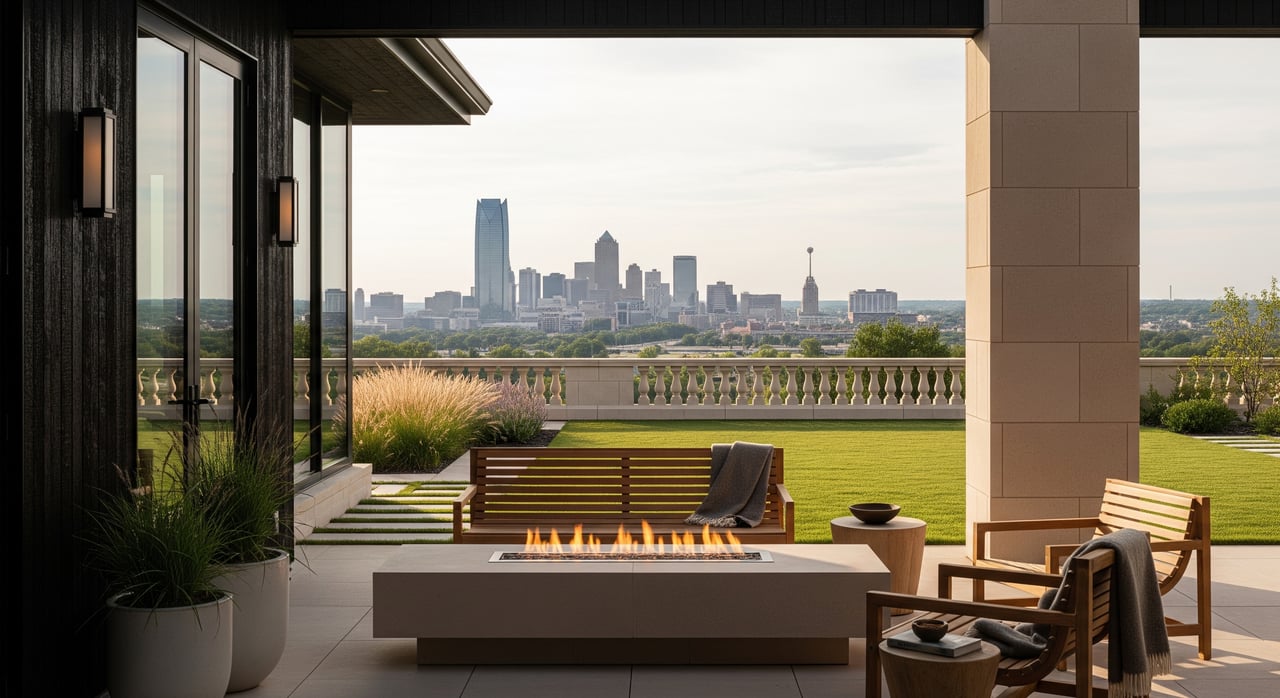
Thinking about a move to Oklahoma City? You might wonder what daily life really feels like here. From cost of living and commutes to parks, schools, and neighborhoods, there is a lot to consider. In this guide, you’ll get a clear, local look at life in OKC so you can decide if it fits your goals. Let’s dive in.
Cost of living and housing
Oklahoma City’s cost of living is generally below the national average, largely because housing is more affordable than in many big metros. Groceries and utilities are often close to national norms, while combined state and local sales taxes can raise the cost of some purchases. For current tax details and rates, check the Oklahoma Tax Commission.
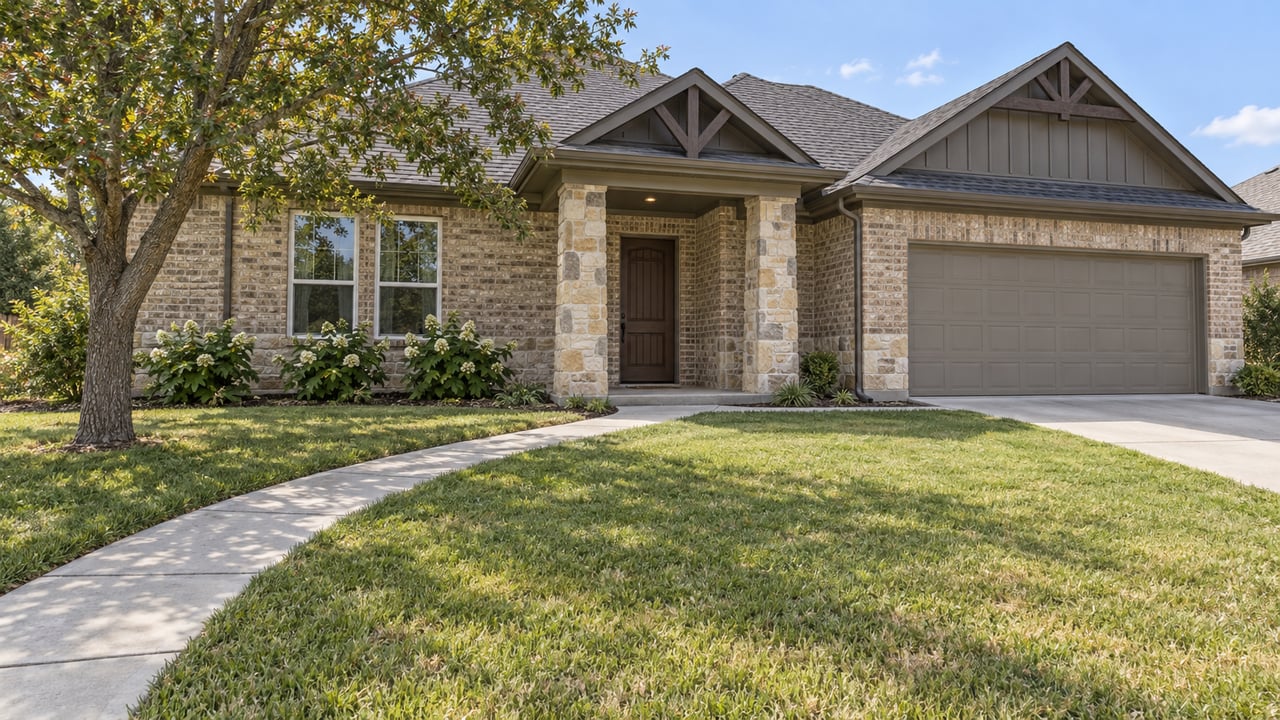
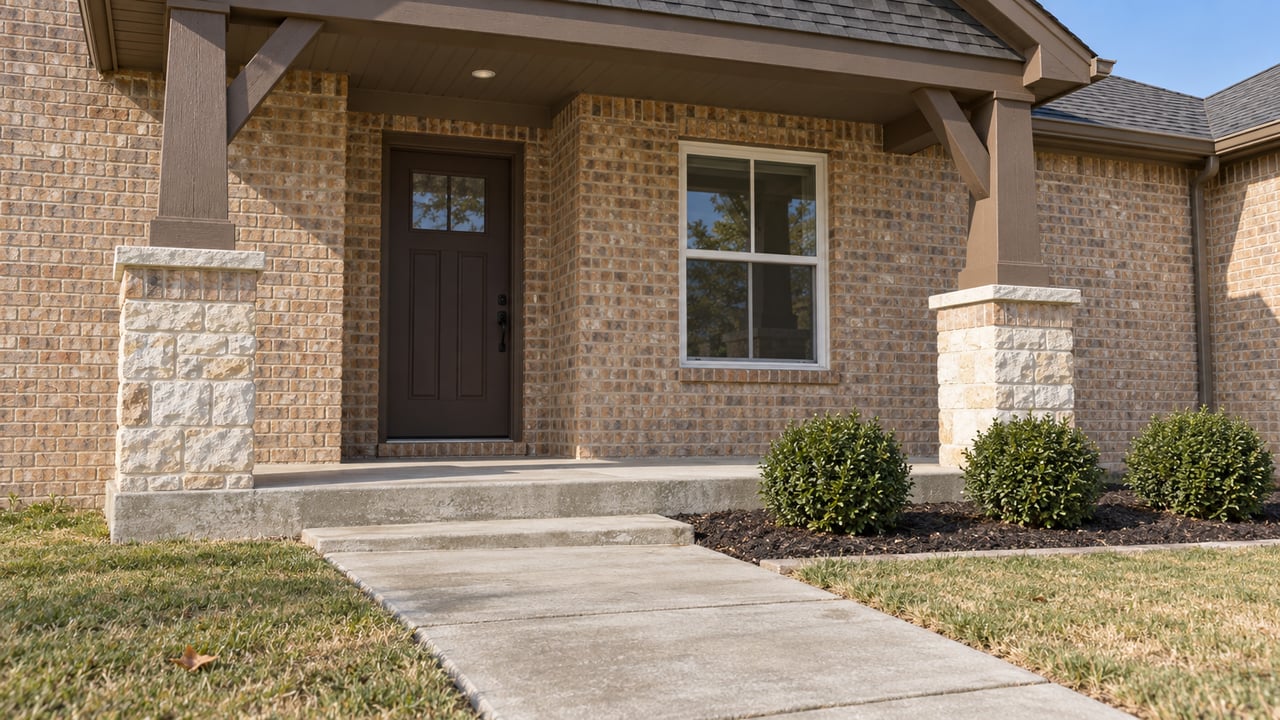
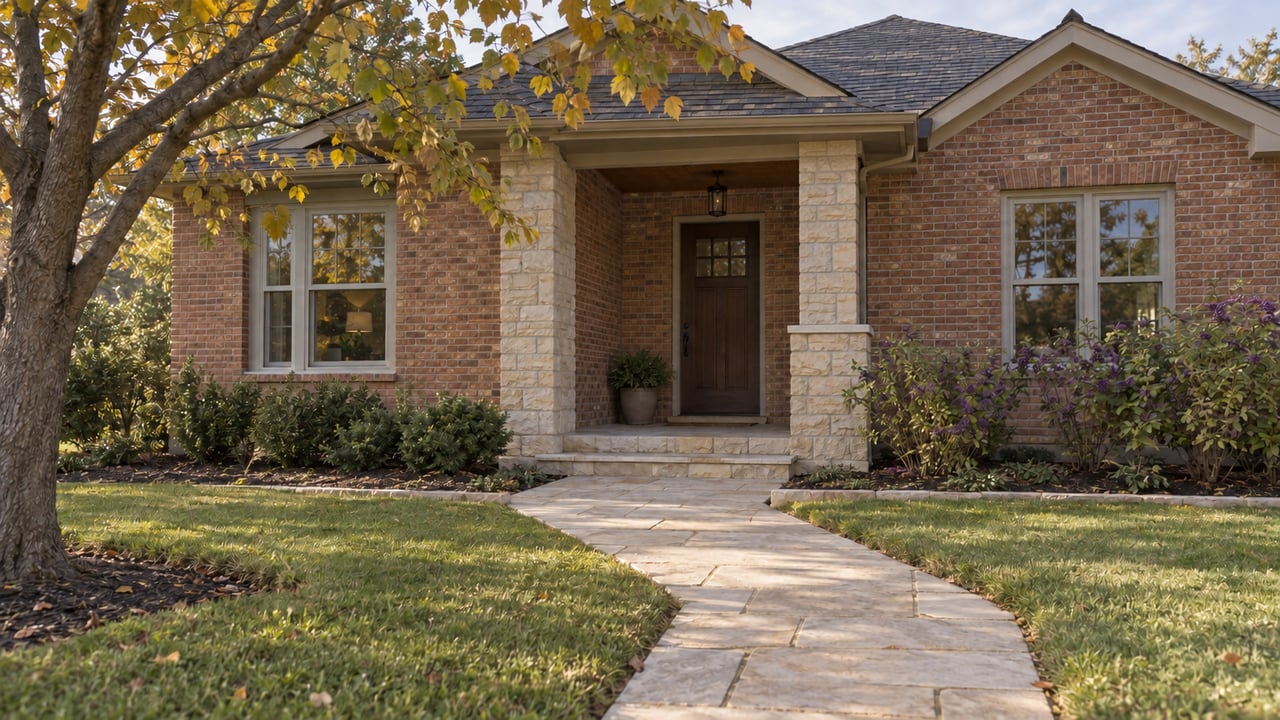
Home prices vary by neighborhood and suburb. You will find historic bungalows and pre-war homes in inner neighborhoods, mid-century ranch homes across much of the city, and new-build subdivisions in growing suburbs. Downtown and Midtown offer more condos and apartments, and newly built rentals near the core can command higher rents.
The market saw strong price appreciation during 2020 to 2022, followed by more moderate growth. Inventory today includes both suburban new construction and infill redevelopment near the center, giving you options whether you want space, convenience, or a bit of both.
Commute and getting around
Most residents drive. Typical one-way commutes often land around the mid-20 minutes mark, though cross-city or suburb-to-suburb trips can take longer. The city’s major interstates, I-35, I-40, and I-44, make regional travel straightforward.
Public transit exists but is limited compared with major transit metros. EMBARK bus and streetcar service focuses on downtown and key corridors. For air travel, Will Rogers World Airport offers direct and connecting flights to major hubs, which helps if you travel for work or family.
Weather and preparedness
OKC has a humid subtropical climate with hot summers and mild to cool winters. Spring tends to be wetter. The region is in Tornado Alley, so severe thunderstorms, hail, and tornadoes can occur in spring and early summer.
Preparedness is part of local life. Many homeowners choose storm shelters or reinforced safe rooms, and insurance costs can reflect wind and hail risk. For seasonal updates and safety tips, follow the National Weather Service Norman office.
Parks, trails, and outdoor life
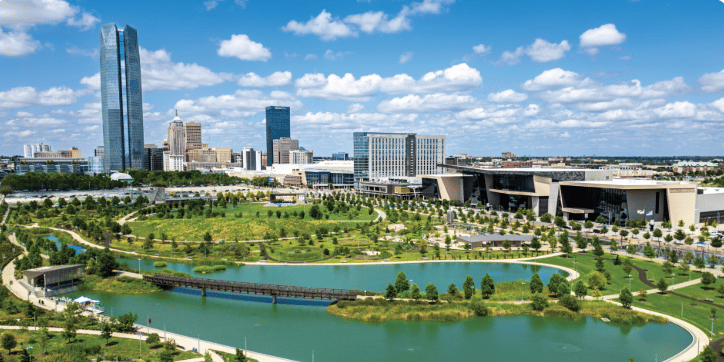
You will find a growing network of parks and trails for everyday recreation. Downtown standouts include Myriad Botanical Gardens and Scissortail Park, which host community events and family-friendly activities. Lake Hefner is a favorite for sailing, fishing, and paved trails. The Oklahoma River corridor offers rowing and multi-use paths for biking or jogging.
Beyond the city, nearby lakes and state parks such as Lake Thunderbird and Lake Stanley Draper provide boating, fishing, and camping. Explore current programing and facilities through the City of Oklahoma City Parks and Recreation department or browse events on VisitOKC.
Schools and education basics
Oklahoma City Public Schools serves much of the city, and surrounding districts include Edmond, Norman, Putnam City, and Deer Creek. Performance varies by district and by school. If schools are a top priority, review official metrics like state test results, graduation rates, and class sizes.
Start with the Oklahoma State Department of Education for accountability reports and district information. Private and charter schools also operate across the metro. For the most accurate understanding, compare schools at the individual campus level and visit during school hours if possible.
Dining, arts, and everyday fun
OKC’s dining scene has grown across downtown, Midtown, the Paseo Arts District, and Bricktown. You can find everything from BBQ and steak houses to farm-to-table spots and a range of international cuisine. Craft breweries and coffee shops are easy to discover in many neighborhoods.
For arts and culture, you can visit the Oklahoma City Museum of Art, the Civic Center performing arts venues, and the National Cowboy & Western Heritage Museum. Regular festivals and public art programs add to the city’s community feel. To plan a weekend, check event calendars on VisitOKC.
Healthcare and hospitals
You have access to major hospital systems, including OU Health, INTEGRIS Health, and Mercy, with hospitals and clinics across the metro. Tertiary and specialty care are available locally, which is helpful for families planning long-term.
Neighborhood snapshots
- Downtown and Midtown: Urban living with condos and apartments, shorter distances to dining and entertainment, and pockets of walkability.
- Historic districts near downtown: Neighborhoods like Heritage Hills, Mesta Park, and Crown Heights offer older homes with distinctive architecture and active neighborhood associations.
- North and northeast: Areas such as Edmond and Nichols Hills feature single-family homes on larger lots and a wide range of price points.
- West and southwest suburbs: Places like Yukon, Mustang, and Newcastle provide more affordable subdivisions and growing amenities. Commute times vary by job location.
- Redeveloped districts: Bricktown, Automobile Alley, Film Row, and the Wheeler District mix apartments, townhomes, dining, and entertainment.
Each area has its own character. Your best fit depends on your budget, commute, school preferences, and desired home style.
Smart home search tips
- Prioritize schools: If public schools matter most, focus on district boundaries and verify individual school performance through state reports.
- Balance commute and space: Shorter commutes near the core can mean a higher cost per square foot. If you want a yard and more space, consider suburban areas.
- Plan for weather: Ask about storm shelters, roofs, and insurance. Consider seasonal maintenance and preparedness.
- Research safety: Crime rates vary by neighborhood. Review official data and maps from the OKC Police Department, and visit at different times of day.
- Compare home ages: Historic homes offer character and may need more maintenance. Newer homes often provide modern systems and builder warranties.
Work with a local guide you trust
OKC is the largest city in the state and anchors a metro of roughly 1.3 to 1.5 million people. With energy, aerospace and defense, healthcare, education, and growing professional services, the job base is diverse. As you narrow your options, you will benefit from local, neighborhood-level guidance tailored to your budget, commute, and school priorities.
When you are ready to explore, reach out to Legacy Real Estate Group for trusted, hands-on help. We are a locally owned, bilingual team that knows the neighborhoods, the market, and the practical steps to get you home.
FAQs
Is Oklahoma City affordable for young families?
- Yes. Relative to national averages, OKC’s overall cost of living is lower, with housing as the main driver of affordability.
How long are typical OKC commutes?
- Many residents report one-way commutes around 20 to 30 minutes, depending on origin, destination, and traffic.
Is public transit practical in Oklahoma City?
- Transit coverage is limited. EMBARK works best for downtown and certain corridors, while most residents drive.
What should I know about OKC schools?
- Districts and schools vary in performance. Review accountability data from the Oklahoma State Department of Education and compare individual campuses.
How severe is the weather in Oklahoma City?
- Severe spring storms, hail, and tornadoes can occur. Follow the National Weather Service Norman office and plan for shelters and insurance.
Which OKC neighborhoods fit different lifestyles?
- Urban convenience clusters around Downtown and Midtown, historic character is near the core, and more space and newer subdivisions are common in suburbs like Yukon, Mustang, and Edmond.