If you are looking for a market where single-family rentals can offer both steady demand and practical long-term potential, Norman deserves a closer look. You want more than a cheap house and a rent estimate. You want to understand who rents here, what types of homes fit the market, and where the risks may show up before you buy. This guide will walk you through the key data points shaping single-family rental investing in Norman, Oklahoma. Let’s dive in.
Why Norman stands out
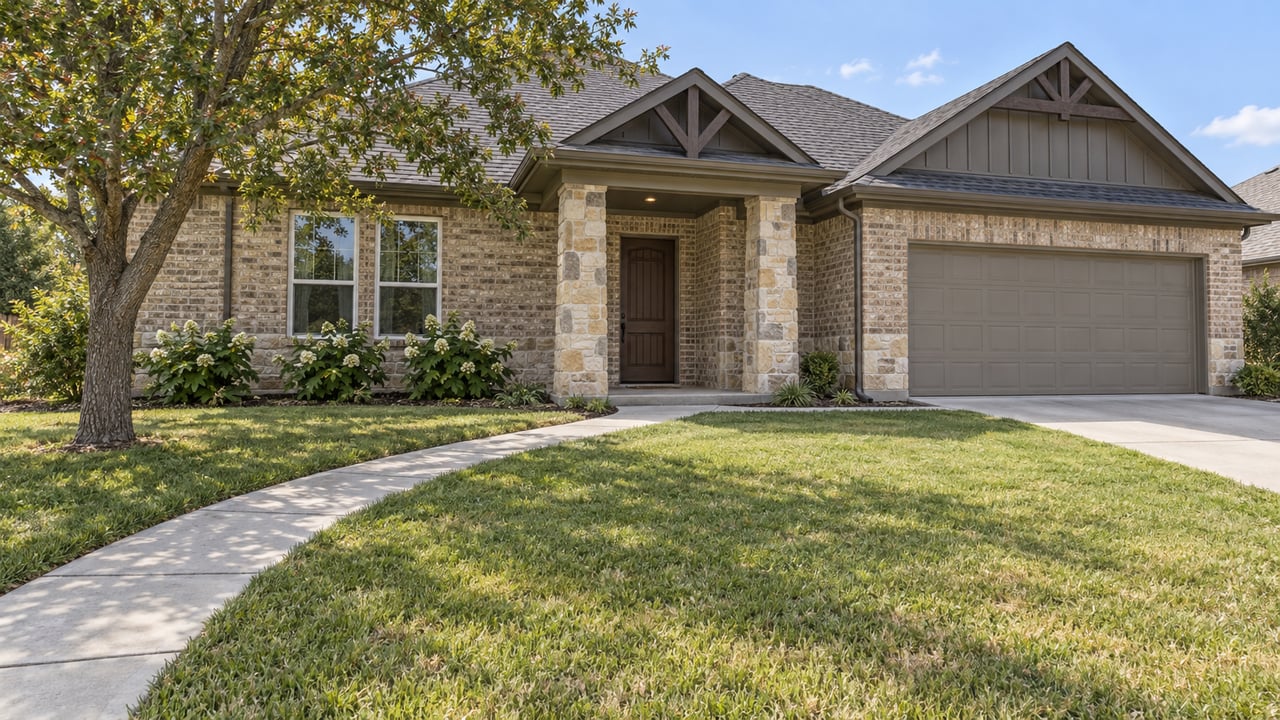
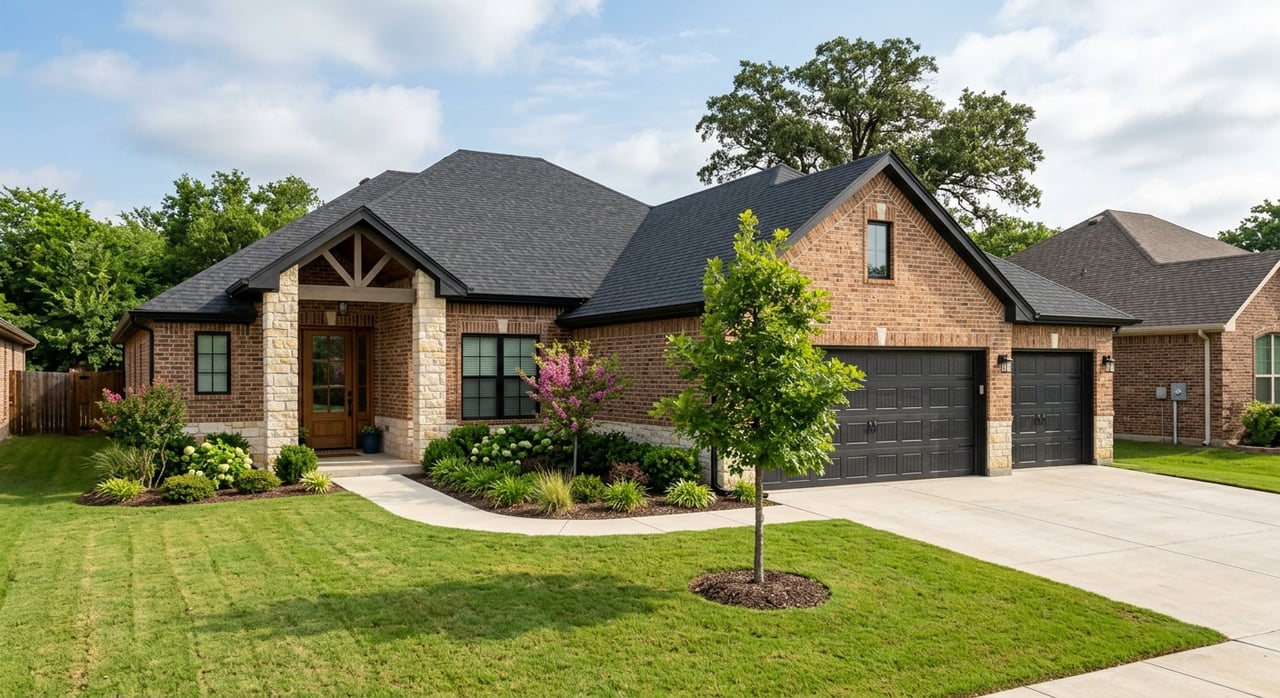
Norman offers a mix that many investors look for: a large base of detached housing, strong rental demand, and a market shaped by both local households and the University of Oklahoma. According to city housing data, detached homes make up a large share of Norman’s housing stock, with 63% of residential units listed as 1-unit detached structures in one city source and nearly 68% in a broader housing summary. That matters because it gives you a deep pool of properties that fit a traditional single-family rental strategy.
The city’s rental market also appears tight. A Norman housing plan cited a 2020 vacancy rate of 9.1% and an ACS-estimated 2021 vacancy rate of 7.3%, while also noting rising rents and household growth are putting pressure on supply. The same plan says households grew 6.3% from 2020 to 2025, which adds another layer of support for rental demand in the city.
What rents look like in Norman
Norman rent data is best viewed as a range, not one fixed number. Zillow’s Norman market data lists the average rent at $1,324 per month, while Zumper reports a median rent of $1,359. For investors focused on detached homes, the house-rental figures are more useful than the overall market average.
For houses specifically, current data points are stronger. The same market snapshot shows house rentals averaging about $1,595, with 3-bedroom homes averaging around $1,600 and 4-bedroom homes averaging around $1,950. Zillow’s rental manager page also indicates a wide spread for Norman houses, which suggests your exact rent will depend heavily on location, size, condition, and layout.
Using the current average house rent and Norman’s average home value of $262,839, the market produces a rough gross yield screen of about 7.3% before taxes, insurance, repairs, and vacancy. That is not a guarantee of performance, but it gives you a useful first-pass filter when comparing Norman to other rental markets.
Home prices and market pace
Rent only tells part of the story. You also need to know what you are likely to pay to acquire the property and how competitive the market may feel when you are trying to buy.
Zillow reports that Norman’s average home value is $262,839, with a median sale price of $253,500. Homes are also going pending in about 34 days, which points to an active market without suggesting an extreme rush in every segment. For you as an investor, that can mean there is still room to evaluate numbers carefully, but you should be ready to move when a good fit comes up.
Who rents single-family homes in Norman
One of Norman’s biggest advantages is that rental demand is not tied to just one type of tenant. The city benefits from student demand, but the renter pool is broader than that. Understanding those segments can help you match the right property to the right strategy.
Student-driven demand near OU
The University of Oklahoma is a major rental driver in Norman. The university reported 32,662 unduplicated students on the Norman Campus in fall 2025, and city housing documents note that the large student population creates stronger rental competition near campus and in central Norman. If you buy closer to OU, your property may be more exposed to student-oriented demand patterns.
That can work well for some investors, especially if the home’s size, layout, and location line up with that tenant base. Smaller houses and homes in OU-adjacent areas may be especially influenced by student demand. Your leasing strategy, turnover expectations, and property management plan should reflect that reality.
Household and family demand beyond campus
Norman is not just a college town. Norman’s demographics and community information show a wider local housing base, and city housing data indicate that owner-occupied homes are mostly 3- and 4-bedroom units, while renter-occupied units are mostly 1- and 2-bedroom units. That makes larger detached homes a practical fit for households looking for more space in a rental.
The same city information shows Norman Public Schools includes 2 high schools, 4 middle schools, and 17 elementary schools. From an investment standpoint, that supports the idea that Norman serves a broad range of households across the city. It also reinforces the value of evaluating each property by size, condition, access, and overall livability rather than assuming one tenant profile fits the whole market.
Smaller households matter too
Another detail investors should not ignore is household makeup. City housing data say about 30% of Norman households are single-person households, and many lower-income households are cost-burdened. That tells you affordability still matters, even in a market where detached homes can command stronger rents.
If you are choosing between a high-rent renovation and a more moderate, durable product, this data can help frame the decision. There is a real case for offering a clean, functional, well-maintained home at a competitive rent instead of over-improving for a narrow slice of the market.
The best single-family rental profile
In many markets, the cheapest purchase is not always the best rental. Norman is a good example of why that matters. The city’s housing stock is heavily detached, but age and condition vary widely.
City housing summaries show that a meaningful share of homes were built before 1980, and more than 20% were built before 1960 in one city analysis. The same materials note that older housing is concentrated in central and east Norman and often needs repairs, accessibility updates, or rehabilitation. That does not mean older homes are bad investments, but it does mean you need to underwrite capital needs carefully.
For many buyers, the strongest fit will be a well-located detached home with manageable repair needs rather than simply the lowest-priced listing. A property with a functional layout, durable systems, and a rent range supported by the local market may offer a better long-term hold than a cheaper home with major deferred maintenance.
Risks to watch before you buy
Every rental market has tradeoffs, and Norman is no exception. The opportunity looks attractive, but you should go in with clear eyes.
Older housing costs
Because a substantial portion of Norman’s housing stock is older, repair budgets matter. Roof age, HVAC condition, plumbing updates, foundation concerns, and general deferred maintenance can quickly change your return. If you are buying an older house, inspections and realistic reserve planning are essential.
Rent assumptions
Norman’s rental data points are directionally helpful, but they are not interchangeable. Overall average rent, median market rent, and average house rent all tell slightly different stories. Your underwriting should focus on comparable houses, not broad citywide rent averages.
Policy and zoning changes
Norman’s housing rules are evolving. The City officially adopted AIM Norman in June 2025 and has also been working through updates to zoning, subdivision regulations, mapping, and parking rules after receiving a PRO Housing grant. For investors, that means redevelopment, infill, and land-use standards may continue to change over time.
That is not automatically negative. It simply means you should verify current rules and stay informed if your strategy depends on additions, lot changes, redevelopment, or a more intensive use plan.
A practical Norman strategy
If you are investing in a Norman single-family rental, a practical approach often looks like this:
- Start with detached homes that fit local demand.
- Use house-rental comps instead of broad market rent averages.
- Pay close attention to age, deferred maintenance, and future capital expenses.
- Match the home to its likely renter profile, whether that is more campus-oriented or more household-oriented.
- Leave room in your numbers for vacancy, repairs, insurance, and taxes instead of relying on gross yield alone.
In short, Norman can be attractive for long-term single-family rental investing because it combines a deep detached-home inventory with demand from multiple renter groups. The key is buying the right property, in the right condition, with a rent target supported by real local data.
If you want help evaluating Norman investment properties, comparing rent potential, or building a hold strategy that fits your goals, connect with Legacy Real Estate Group. Their local market knowledge, hands-on guidance, and bilingual support can help you make a more confident move.
FAQs
What is the average rent for a single-family house in Norman, OK?
- Current market data in the research report shows Norman houses averaging about $1,595 per month, with 3-bedroom homes around $1,600 and 4-bedroom homes around $1,950.
Is Norman, OK a good market for single-family rentals?
- Norman shows several positive signs for single-family rentals, including strong detached-home inventory, tight rental supply, household growth, and demand from both OU-related renters and local households.
How much do homes cost in Norman, OK for rental investors?
- The research report shows Norman’s average home value at $262,839 and median sale price at $253,500, though your actual purchase price will depend on the property’s location, size, and condition.
Does the University of Oklahoma affect Norman rental demand?
- Yes. The University of Oklahoma is a major demand driver, with 32,662 unduplicated students on the Norman Campus in fall 2025, and city documents note stronger rental competition near campus and in central Norman.
Are older homes in Norman, OK riskier for rental investors?
- Older homes can require more careful underwriting because city data shows a significant share of Norman housing was built before 1980, and some older areas may need repairs, upgrades, or rehabilitation.
How can Legacy Real Estate Group help with Norman investment property?
- Legacy Real Estate Group can help you evaluate local opportunities, compare pricing and rent potential, and plan a long-term buy-and-hold strategy in Norman and the surrounding metro.